Dress in Blue Day: A Mission to Raise Awareness and Save Lives
Every March, people across the country wear blue to raise awareness about colorectal cancer. Still, few know the inspiring story behind Dress in Blue Day and how one person's determination turned it into a national movement.

Anita Mitchell-Isler’s Story: Turning Grief into Action
Our Founder and Program Director, Anita Mitchell-Isler, a stage IV colorectal cancer survivor, never set out to start a national awareness campaign; she wanted to honor her friend, Carmen Mitchell, share life-saving information, and prevent others from experiencing the same loss.
After losing Carmen to colorectal cancer and receiving her diagnosis at a young age with no family history, Anita realized that awareness and early detection could save lives. Too many people weren't getting screened simply because they didn't know they needed to.
That’s when she took action.

How Dress in Blue Day Began
In 2006, Anita launched one of her first awareness projects, Dress in Blue Day, at her children's school.
Instead of wearing their usual uniforms, students dressed in blue for the day.
They donated a dollar to support colorectal cancer awareness.
Most importantly, they took home screening guidelines to share with their families.
Her motivation was clear, she was the third parent at the school to be diagnosed under the age of 50. She knew she had to get the message out about prevention, symptoms, and family history so that families could take action early.
She contacted the local newspaper, thereby bringing the message to a much larger audience. Then, in 2009, the Colorectal Cancer Alliance (CCA) partnered with her to launch Dress in Blue Day nationally.
Today, millions of people participate nationwide, raising awareness and encouraging screenings that save lives.
Why Dress in Blue?
Colorectal cancer is the second leading cause of cancer death, but it doesn’t have to be.
✔️ It’s preventable when caught early.
✔️ It’s treatable and beatable with early diagnosis.
If you’re 45 or older, it's time to get screened. If you have a family history, consider discussing with your doctor the possibility of being checked even earlier.


How You Can Help
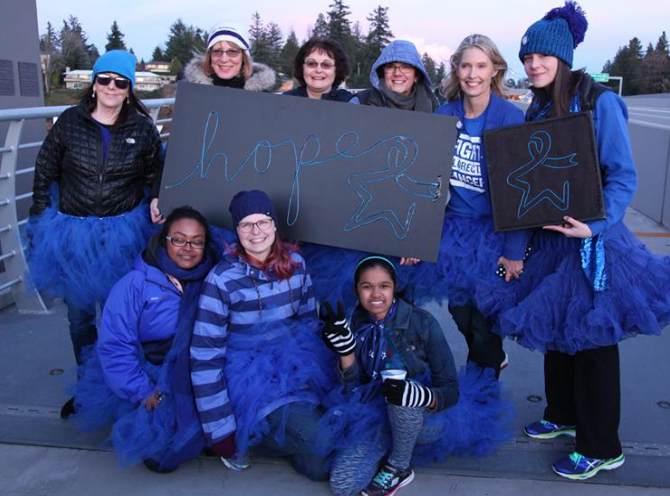
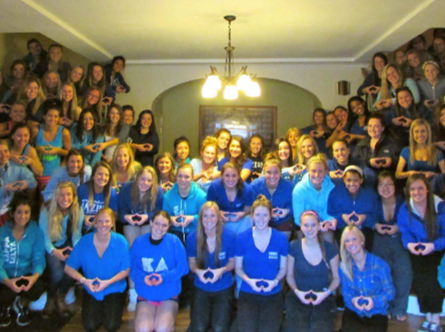
On the first Friday of March each year and throughout Colorectal Cancer Awareness Month, you can make a difference by wearing blue to show your support, hosting an event at work or school, and sharing a message on your social media channels to encourage screening, which could save a life.
Screening saves lives. Let's continue Anita's mission and honor those like Carmen by ensuring everyone knows how to prevent colorectal cancer.
Join us and help turn the world blue.